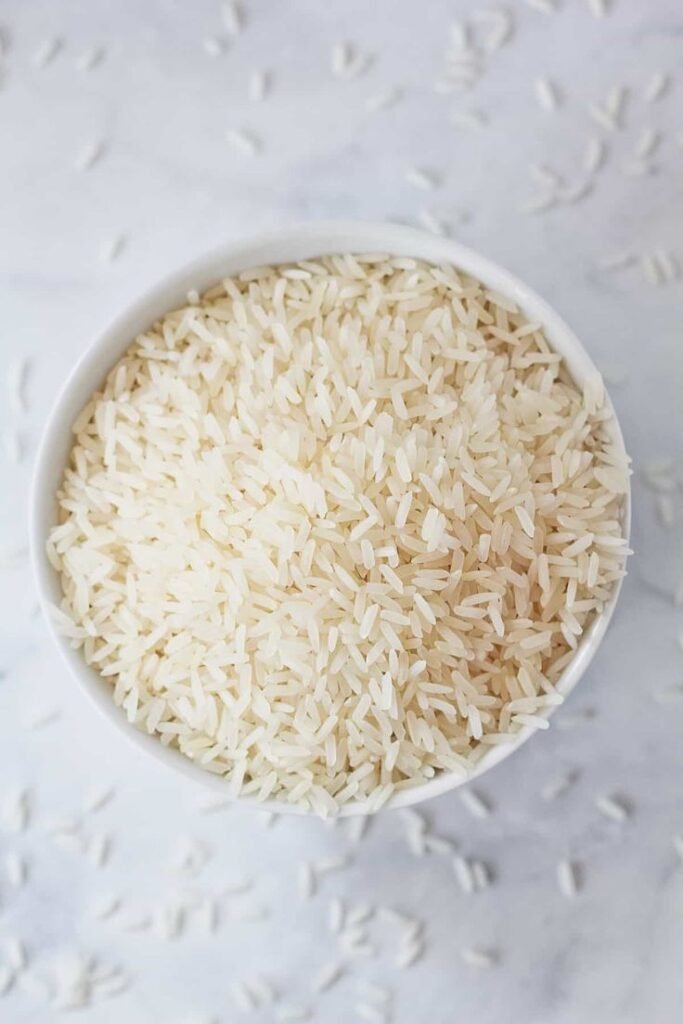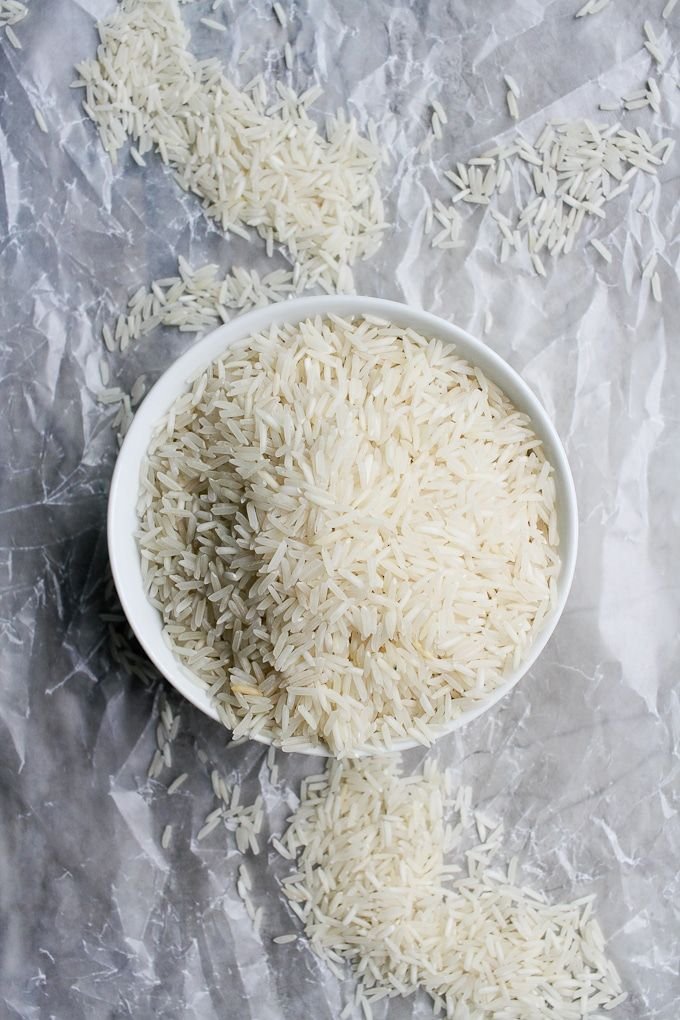
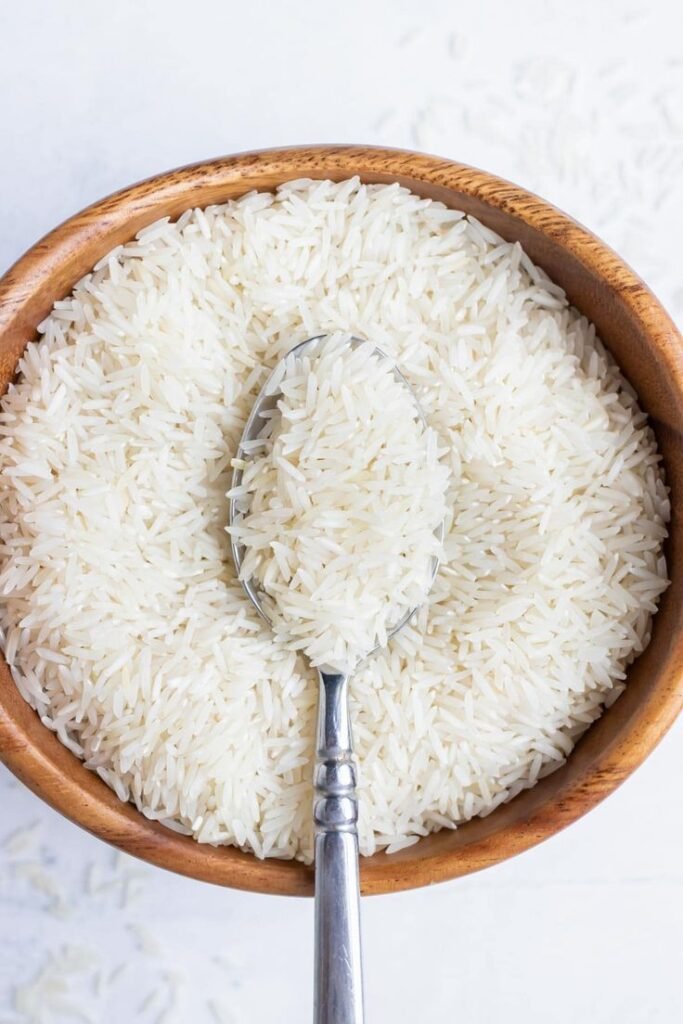
Basmati Rice Exporter & Importer Guide | Anant Overseas – Copy
Introduction When it comes to premium rice varieties, Basmati Rice stands tall as the “King of Aromatic Grains.” With its extra-long slender grains, distinctive aroma, and rich taste, Basmati has become a global favorite—not only in traditional Indian cuisine but also in international kitchens. For exporters and importers, understanding the unique qualities, varieties, and global demand of Basmati is essential for making informed trade decisions. What Makes Basmati Rice Unique? Basmati Rice is not just any rice—it’s a heritage grain cultivated primarily in the Himalayan foothills of India and Pakistan. Its name, derived from Sanskrit, means “fragrant” or “full of aroma.” Key Features of Basmati Rice: Major Varieties of Basmati Rice for Export/Import Exporters and importers should be aware of the different varieties of Basmati that dominate international trade: Global Demand & Export Markets Basmati Rice enjoys strong global demand due to its taste and versatility. The top importing regions include: India remains the largest exporter of Basmati Rice, contributing over 65% of global exports, making it a lucrative market for traders. Exporter’s Perspective: Why Basmati is Profitable? For exporters, Basmati Rice is a high-margin product because of its: Importer’s Perspective: What to Look For? Importers should focus on these key parameters before sourcing Basmati Rice: Why Choose Anant Overseas for Basmati Rice? At Anant Overseas, we specialize in exporting premium Basmati Rice across global markets.
Basmati Rice Exporter & Importer Guide | Anant Overseas – Copy Read More »